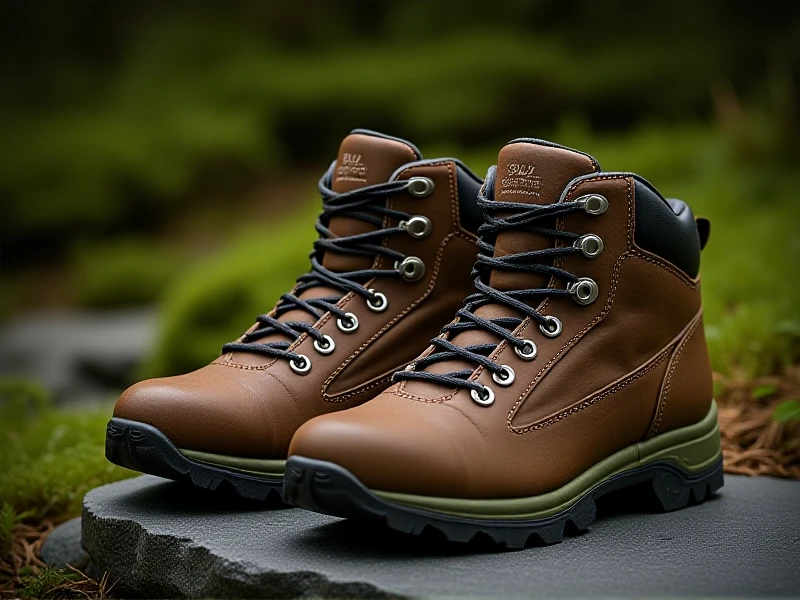
Your Ultimate Guide to Choosing the Best Hiking Boots
Nothing enhances outdoor adventures like reliable, high-performance hiking boots. Whether trekking through rugged trails or casual day hikes, the right footwear ensures comfort, safety, and confidence. Let’s explore essential considerations for selecting the perfect pair of hiking boots.
Why Proper Hiking Boots Matter
Quality hiking boots provide crucial ankle support, protecting against twists on uneven terrain. They also shield feet from rocks, roots, and moisture while offering grip where regular sneakers fail. Investing in durable boots minimizes fatigue and prevents injuries during extended hikes.
Types of Hiking Boots
- Lightweight Hiking Boots: Ideal for day hikes, combining agility with moderate support.
- Mid-Weight/All-Purpose Boots: Versatile for varied terrain, featuring water resistance and stronger ankle bracing.
- Mountaineering Boots: Rugged, insulated options for multiday treks and technical routes.
Key Features to Consider
- Material: Full-grain leather withstands abrasions, while synthetic blends offer breathability. Look for GORE-TEX® linings for guaranteed waterproofing.
- Sole & Traction: Vibram® rubber with deep lugs grips mud, rock, and loose surfaces. Prioritize boots with aggressive tread patterns.
- Fit & Comfort: ALWAYS try boots with hiking socks, ideally in the afternoon when feet swell. Your heel should stay locked down without slippage, with ample toe space.
- Support & Stiffness: Mid-cut to high-cut boots protect ankles; stiffness should match your terrain (more rigid for heavy loads).
Breaking in Your Footwear
Never wear new hiking boots on extended trips! Break them in gradually: wear them while walking daily, then progress to short hikes. This molds the support structure and avoids painful blisters later.
Maintenance for Longevity
Clean boots after hikes with a soft brush and mild soap. Air dry them away from heat sources. Apply conditioner or waterproofing spray annually to preserve materials. Rotating between two pairs extends their lifespan significantly.
When to Replace
Check for worn treads, thinning soles, cracked leather, or loss of waterproofing. Persistent foot fatigue signals it’s time for new boots. Quality pairs typically serve 500–800 trail miles.
Final Thoughts
Don’t compromise on protection and comfort. Invest time researching trusted brands based on your hiking frequency and destinations. Prioritizing fit and function over price ensures your hiking boots become trusted partners for countless unforgettable journeys. Lace up and explore safely!