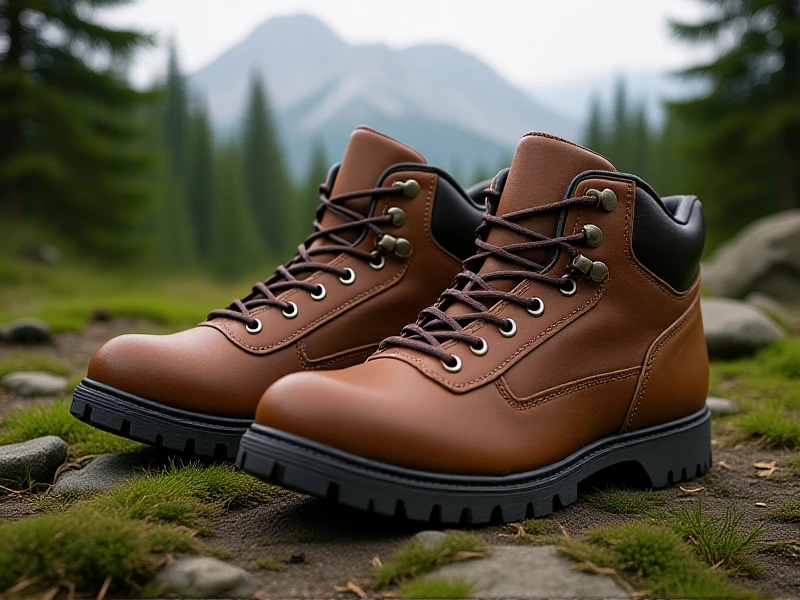
Choosing Your Perfect Hiking Boots: Essential Footwear for the Trail
Selecting the right hiking boots is crucial for enjoying outdoor adventures safely and comfortably. Your footwear literally carries you over every root, rock, and mile, impacting your performance, foot health, and overall trail experience. Understanding the different types of hiking boots is the first step toward finding your ideal match.
Why Proper Boots Matter
Hiking boots provide essential support and protection that sneakers or regular shoes lack. They shield your ankles from twists on uneven terrain, offer critical rigidity for carrying backpacks, and deliver superior traction to prevent slips. The right design keeps your feet dry in wet conditions and comfortable over long distances, preventing debilitating blisters.
Key Types of Hiking Boots
- Lightweight Trail Shoes: Ideal for well-maintained trails and day hikes with a light pack. Flexible and quick-drying, they offer minimal ankle support. Good choice for fast hikers tackling less technical routes in decent weather.
- Mid-Weight Hiking Boots: The most versatile option, suitable for multi-day hikes with moderate loads and various terrains. They provide excellent ankle support, increased waterproofing (often with membranes like Gore-Tex), durable outsoles, and cushioning for rocky paths. Perfect for weekend backpackers tackling varied conditions.
- Mountaineering Boots: Built for the toughest conditions – steep, rocky ascents, glacier travel, and heavy expedition loads. They offer maximum ankle support, rigid soles for stability on rock and snow, superior insulation, and aggressive crampon compatibility. Essential for technical alpine adventures.
Features to Consider
- Fit & Comfort: This is non-negotiable. Visit a specialty store, try boots on with your hiking socks (bring them!), and walk on an incline. Toes shouldn’t jam the front going downhill, and heels shouldn’t slip. Aim for a thumbnail’s width of space beyond your big toe.
- Waterproofing: Crucial for wet climates, stream crossings, or morning dew. Look for breathable, waterproof membranes (e.g., Gore-Tex) combined with treated leather or synthetic materials. Non-waterproof options exist for hot, dry regions.
- Ankle Support: Higher cuts prevent ankle rolls on uneven ground. Mid-cut boots strike a great balance for most users. Choose height based on terrain difficulty and your ankle stability.
- Outsole & Traction: Deep, multi-directional lugs (like Vibram) provide grip on mud, loose gravel, and wet surfaces. Rubber compound and lug pattern impact durability and cling.
- Material: Full-grain leather offers superior durability and water resistance but requires more breaking in. Hybrids (synthetics leather/suede) are lighter and often dry faster. Synthetics are lightest but less durable.
Matching Boots to Your Adventure
Imagine navigating muddy forest paths, scrambling over granite boulders, or trekking through wet alpine meadows. Selecting boots designed for your most common terrain prevents discomfort and injury. Don’t buy heavy-duty mountaineering boots for groomed park trails, nor light shoes for carrying a heavy pack over rocky mountain passes months. Choose the tool that empowers your specific passion.
Investing time in finding the perfect hiking boots pays off instantly in comfort and safety. Feel confident knowing your feet are protected with footwear shaped by the trail, built for the journey. Happy hiking!