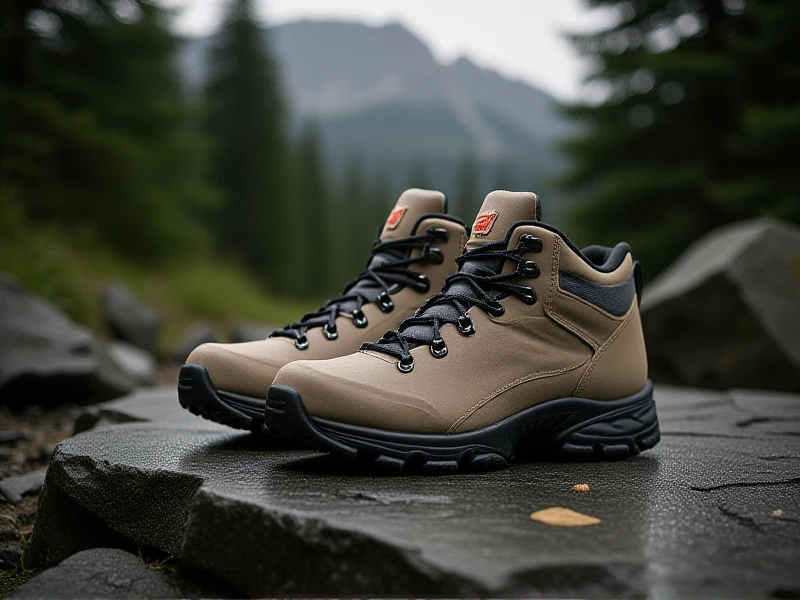
Essential Hiking Boots Buying Guide: Find Your Perfect Fit
Sure, here is an SEO article crafted for your website about Hiking Boots, adhering to your specifications:
Tired of sore feet or unreliable footing ruining your hiking adventures? Finding the perfect pair of hiking boots is the cornerstone of a comfortable, safe, and enjoyable trek. Choosing wisely means miles of happy exploring; choosing poorly can lead to blisters, fatigue, and even injury. Let’s break down the key features to consider on your quest for the ideal hiking boots.
The foundation of any great hiking boot is support. Consider the terrain and load. For day hikes on well-maintained trails, lighter boots or hiking shoes offer agility. Carrying a multi-day pack or tackling rugged, uneven paths demands mid-cut or high-cut boots for superior ankle support and stability, preventing rolls and sprains on unpredictable surfaces.
Waterproofing is a critical factor. If you hike in wet conditions, through streams, or in morning dew, boots with a membrane like Gore-Tex or similar proprietary liners create a barrier against external moisture while letting sweat vapor escape (“breathability”). For consistently dry climates or high-intensity hikes where overheating is a bigger concern than wetness, breathable, non-waterproof hiking boots might be preferable for enhanced airflow and coolness.
Traction is non-negotiable. The outsole is your connection to the trail. Look for deep, multi-directional lugs made from sticky, durable rubber compounds like Vibram. Aggressive tread patterns grip loose dirt, mud, rocks, and wet surfaces far better than smooth soles, keeping you confidently planted on ascents and descents, especially important hiking boots need to handle diverse terrain.
Never underestimate fit. Comfort reigns supreme. Your toes shouldn’t jam against the front when walking downhill, and your heel should feel securely locked in place without rubbing. Width is equally vital – cramped feet lead to pain. Visit a reputable outdoor retailer later in the day when feet are naturally slightly swollen for the most accurate sizing. Wear the hiking socks you plan to use and walk around extensively. Trust your feel – a slight wiggle room for toes is good; any significant slip or pinch point is a sign to try a different size, width, or brand model.
Finally, consider the materials. Full-grain leather offers exceptional durability and inherent water resistance, ideal for heavy loads and rough terrain but requires more break-in. Split-grain leather combined with synthetic mesh offers lighter weight and better breathability often used in hiking boots, perfect for less demanding trails and warmer weather. Synthetic boots dry fastest but may not offer the long-term ruggedness of leather.
Investing time in finding the right hiking boots is an investment in your outdoor enjoyment. Prioritize support based on your adventures, decide on waterproofing needs, ensure exceptional traction, and above all, get the perfect fit. When your boots feel like a natural extension of your feet, every trail feels more welcoming. Ready to explore further? Discover our curated selection of top-rated hiking boots at [YourBrandNameWebsite] and step out with confidence on your next journey.